Fat Cells: Battleground For Undesirable Weight Gain! Weight-loss Blog Site Dr Tague's Center For Nourishment Kansas City & Topeka
Adipose Tissue Keeps An Epigenetic Memory Of Obesity After Fat Burning
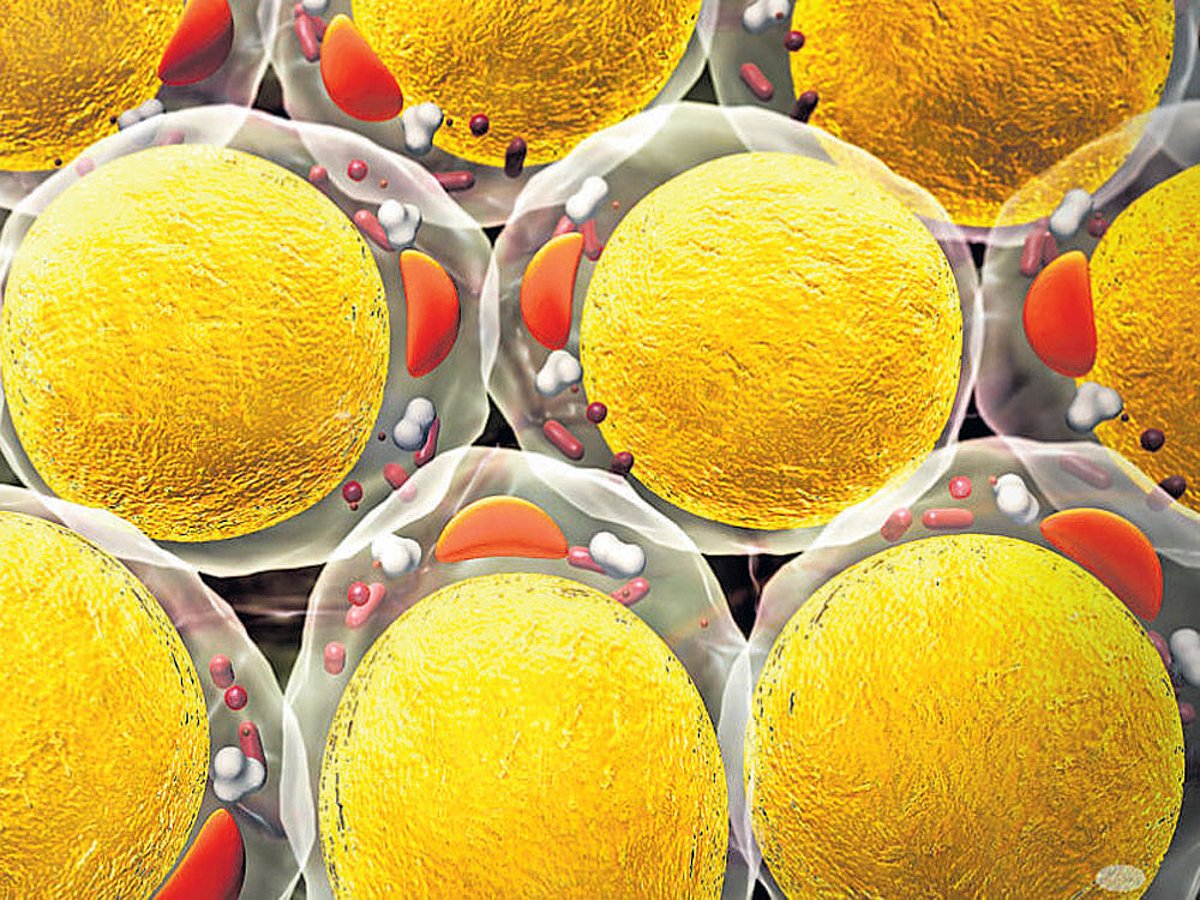
Extended Data Fig 2 Characterization Of Omat Structure
An individual adipose depot includes adipocytes that vary with respect to their size, and a dimension frequency circulation offers a clear image of this irregularity within a depot. Since adipose depots display varying cellularity profiles, a regularity circulation is typically extra helpful than a typical size. Research studies in both humans and rats suggest that adipocyte dimension is one of the most changeable element of cellularity characteristics in researches of weight reduction and regain. During fat burning, power shops are set in motion from adipocytes and adipocytes become smaller. During weight gain and weight gain back, power is gathered and adipocytes become larger. The broad array for adipocyte dimension gives massive versatility for the quantity of power that can be stored at any kind of once.
- I do not desire that very first 5 extra pounds to all go to your internal upper leg or your back, and trigger a problem where you have actually not had one previously.
- Weight restore after fat burning is a considerable difficulty in weight problems therapies.
- Patients frequently look much better in a particular location without seeing a significant weight adjustment.
- An evaluation of 16 studies found that the even more cardiovascular workout individuals carried out, the much more stomach fat they lost.Other research studies have found that cardio can boost muscle mass and minimize belly fat, midsection circumference, and overall body fat.
- The ramifications from these observations are that the biological stress might strengthen with time throughout weight maintenance and with the quantity of weight shed.
Obesity: Discovering Its Connection To Brain Feature Through Genetic And Genomic Viewpoints
In recap, our searchings for indicate the presence of an obesogenic memory, mainly on the basis of stable epigenetic changes, in mouse adipocytes and most likely various other cell kinds. These modifications seem to prime cells for pathological responses in an obesogenic environment, adding to the troublesome 'yo-yo' effect usually seen with diet programs. Targeting these changes in the future can boost long-term weight monitoring and health outcomes. The essential ideas behind this hypothesis are not completely novel and they certainly offer a streamlined photo of the feedback system. Decades of study and various magazines have given a fundamental understanding of the essential nodes of the homeostatic system regulating body weight and of adipocyte biology.
Complying With A High-protein Diet Plan
Although our experiments focused on weight problems, it is possible that epigenetic memory might also play a role in lots of various other contexts, including addicting illness. Recent advancements in targeted epigenetic editing60 and international remodelling of the epigenome61,62 provide appealing new strategies. It is feasible that epigenetic alterations, such as other hPTMs, DNA methylation or non-coding RNAs, likewise add to the observed sensations. The cured cells do not just revitalize, yet continuing to be fat cells can still enlarge with weight gain. A lot of fat reduction treatments are made to act on the fat layer below the skin, especially localized fat that rests over muscular tissue and below the surface tissue. The goal is targeted fat decrease, not full-body weight-loss.
